
The challenge
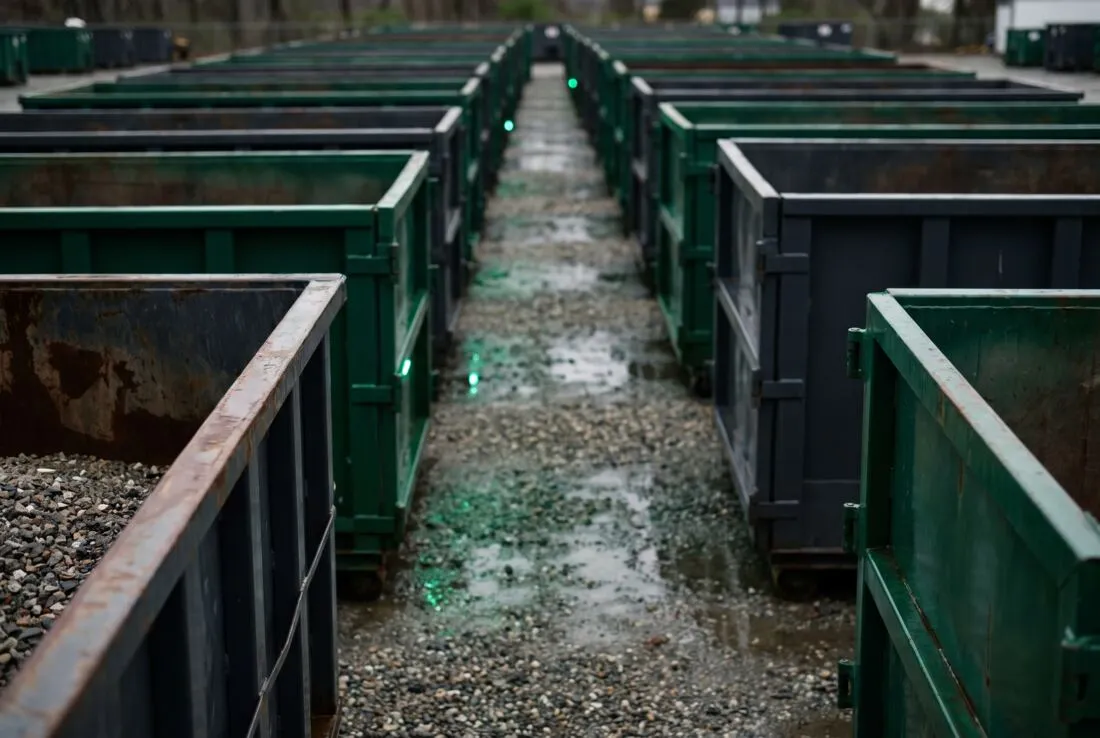
- ! Roll-offs and dumpsters sit idle on customer sites for weeks while you scramble to find empties for new orders.
- ! You service bins on a fixed calendar, so some get pulled half empty while others overflow before the truck arrives.
- ! Nobody knows the real count of containers in the field versus the yard, so you over-buy assets you already own.
- ! Manual tracking on spreadsheets means lost cans, disputed swap dates, and demurrage you can never prove.
- ! Idle inventory ties up capital and lot space that should be generating haul revenue.
How Haultro answers
- ✓ Haultro keeps a live inventory of every container by serial number, type, and location, whether it is on a job, in transit, or back in the yard.
- ✓ Fill-level signals and a 48 to 72 hour forecast tell you which bins actually need service now, not just which ones are due on the calendar.
- ✓ Idle and aging assets get flagged automatically so you can recover, reposition, or rent them out before they cost you a new purchase.
- ✓ Dispatch sees available empties and the nearest container to a new order, so swaps and deliveries happen without phone-tag.
- ✓ Every move, swap, and dwell day is logged, giving you clean utilization numbers and defensible demurrage billing.
- ✓ Asset history rolls up into analytics so you can right-size your container fleet to real demand instead of guesswork.
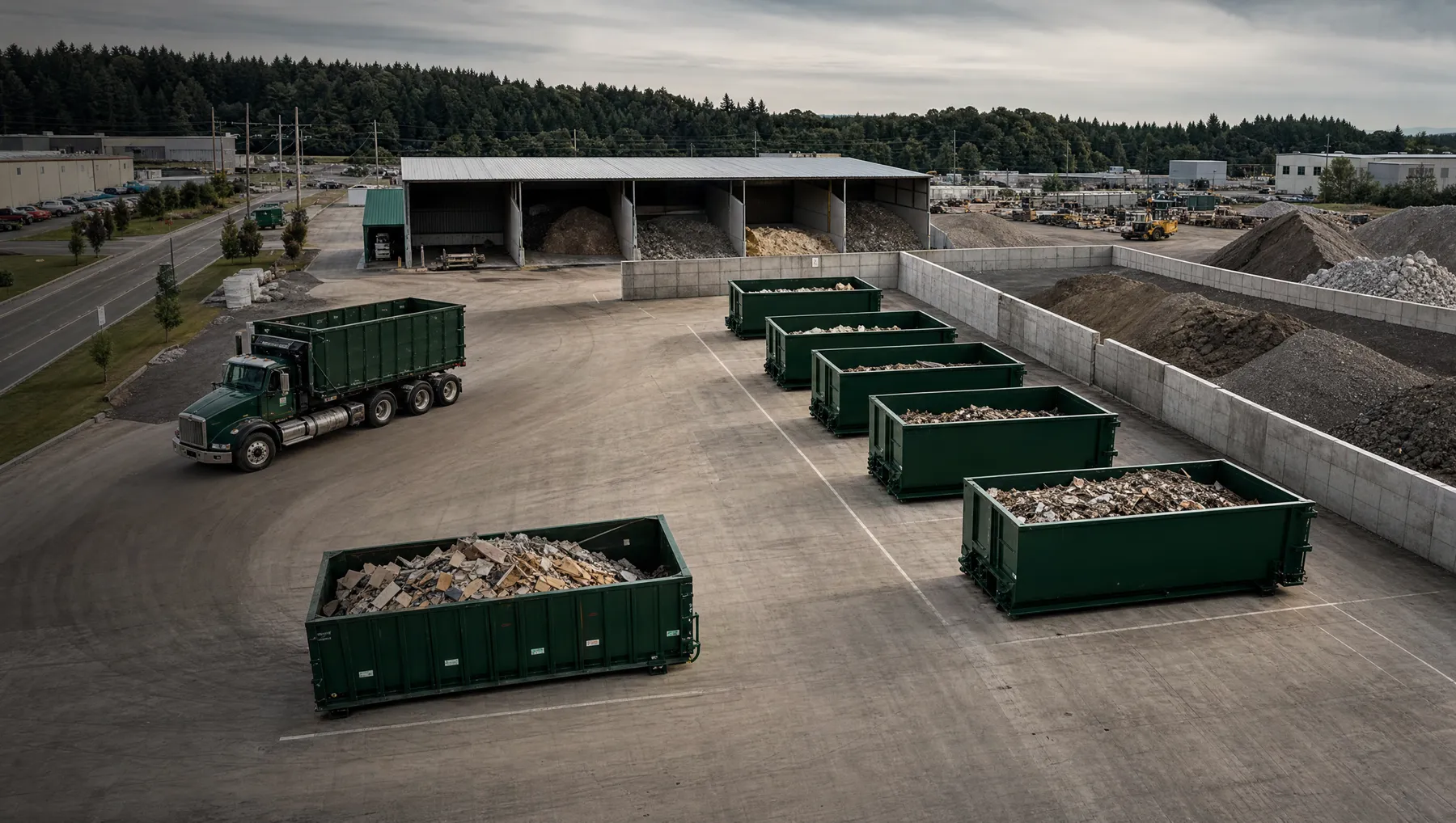 Container utilization · Connected to the work on the ground
Visibility
Know where every container is and what it is doing
Haultro turns a yard full of unknowns into a live, searchable asset list. Filter by status to instantly separate working inventory from dead weight.
Recorded asset location
Review each can, dumpster, and roll-off by its last recorded facility, bay, customer, address, and movement timestamp.
Status at a glance
On-site, in transit, at the yard, or in service - filter your whole fleet by status to find empties and spot idlers in seconds.
Dwell and aging alerts
Get flagged when a container has sat past its expected dwell so you can recover it, bill demurrage, or reposition it for revenue.
Right timing
Service bins when they are actually ready
Pulling a half-empty box wastes a trip; missing a full one costs you a customer. Haultro times service to fill level, not just the calendar.
Fill forecasting
A 48 to 72 hour fill forecast predicts when a bin will be ready so you batch nearby pulls into efficient, full-truck routes.
Demand-driven swaps
Trigger swaps and exchanges from accepted demand and fill data, then measure return trips and missed pickups against the customer's baseline.
Yard turnover
Push empties back into circulation faster so the same asset count covers more jobs and you defer new container purchases.
How it works
Adopting container utilization.
Register your container fleet
Add every can, dumpster, and roll-off by serial number, size, and type after the import, evaluation boundary, and acceptance process are confirmed in writing.
Record custody and fill evidence
Tie assets to facilities, bays, customers, service records, and accepted fill readings so each recorded move and reading updates the governed registry.
Set utilization rules
Define expected dwell days, fill thresholds, and idle limits per container type so Haultro knows what good utilization looks like for your operation.
Act on alerts and forecasts
Work the daily list of idle, aging, and near-full containers, and let dispatch build full-truck routes off the 48 to 72 hour fill forecast.
Measure and right-size
Review utilization, dwell, and turnover analytics to recover dead assets, reposition inventory, and buy only the containers demand actually justifies.
FAQ
Questions, answered.
How does Haultro track containers without trackers on every unit?
The current contract uses the registry, recorded custody moves, facility and bay assignments, customer assignments, inspections, and service history. It does not claim RFID or QR field scans or continuous GPS coverage for every container.
What does the fill forecast use to predict when a bin is ready?
Haultro combines fill-level signals, service history, and route patterns to project a 48 to 72 hour fill window, so you batch pulls and swaps before a container overflows or goes out half empty.
Can it help us avoid buying more containers?
Yes. Idle and aging-asset alerts surface inventory that is sitting unused, and utilization analytics show your real turnover, so you can recover and reposition assets you already own before purchasing new ones.
Does this support demurrage and dwell billing?
Every placement, swap, and dwell day is logged with timestamps. That history gives you defensible records for demurrage and rental billing and feeds straight into invoicing.
How many containers can Haultro manage?
Haultro is designed for 25 to 50,000+ bins, and the same utilization source serves single-yard and multi-location configurations. That range is not a production benchmark or contractual capacity; confirm the intended tenant size and load profile in writing.
Get started
Put this outcome on your routes.
We'll tailor a demo to your fleet and the business you run.