- Route optimization
- Using software to sequence collection stops in the most efficient order, accounting for distance, traffic, time windows, container fill, and disposal-site cutoffs, to cut miles, fuel, and time.
- Roll-off
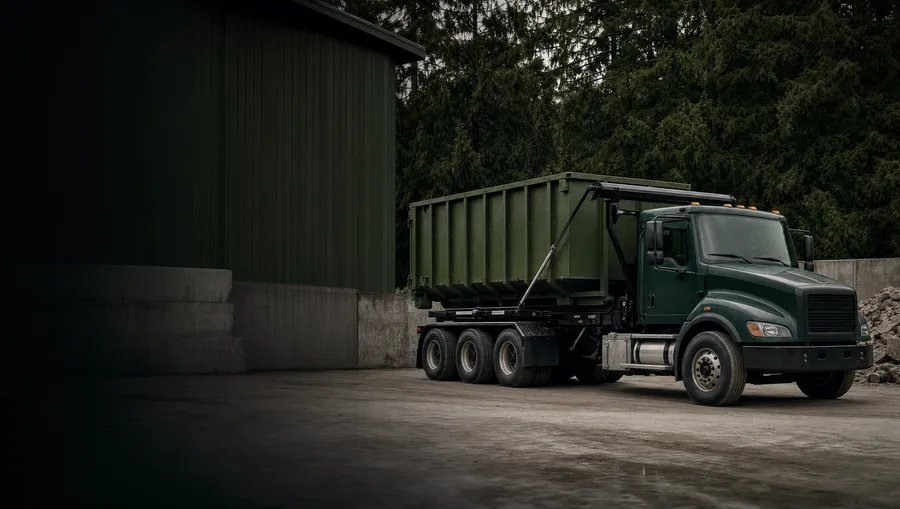
- A large open-top container (commonly 10 to 40 cubic yards) delivered and picked up by a roll-off truck, used for construction debris, cleanouts, and bulk waste.
- Front-load / rear-load
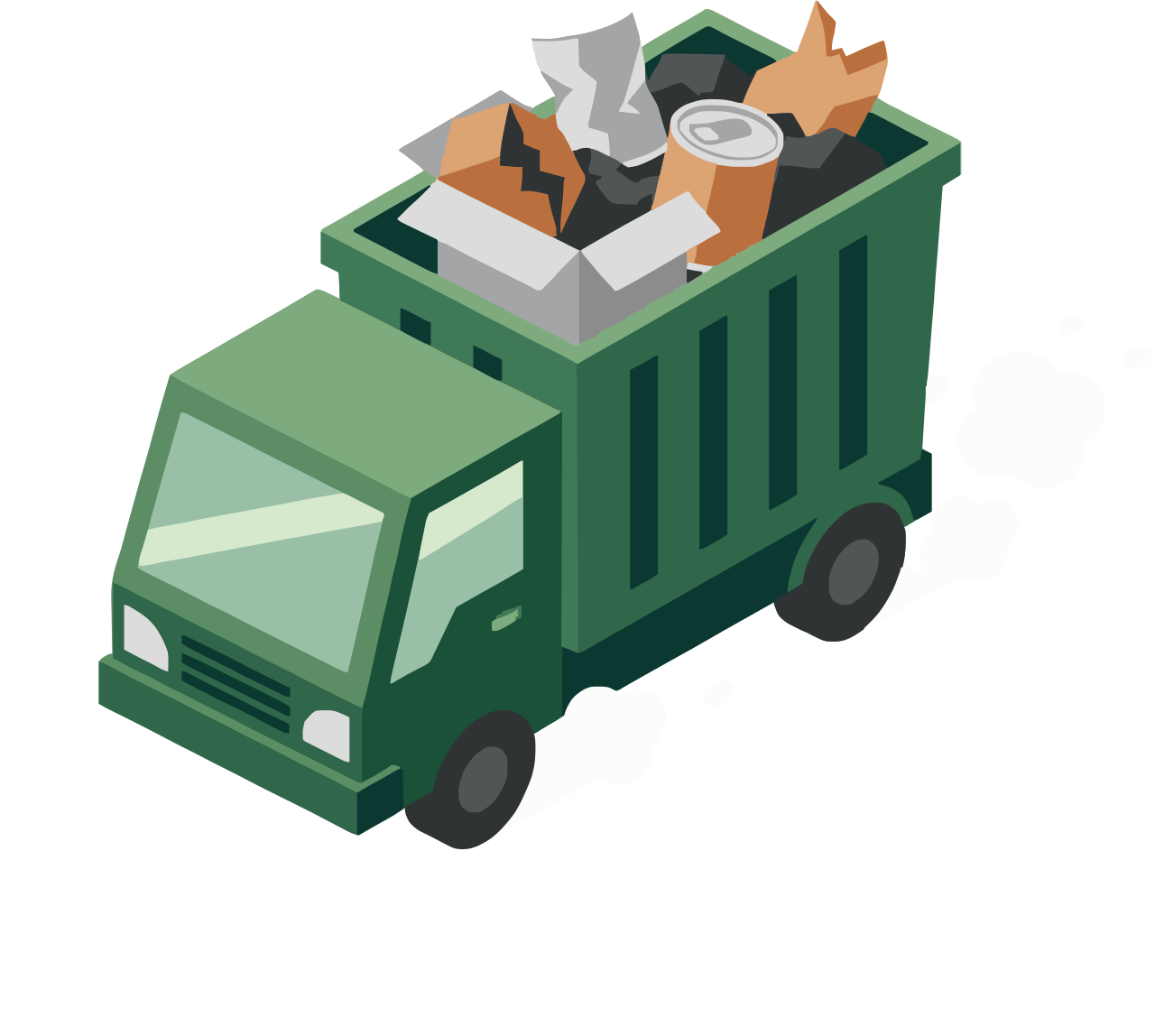
- Truck body styles for commercial and residential collection. Front-loaders lift dumpsters over the cab; rear-loaders are loaded from the back, often for residential routes.
- Tipping fee
- The charge a landfill or transfer station bills to dispose of waste, usually per ton. Tracking tipping fees against loads is key to route profitability.
- Scale ticket
- The weight record issued at a landfill or transfer station for a load. Captured digitally, it ties disposal cost to the route and customer.
- Telematics
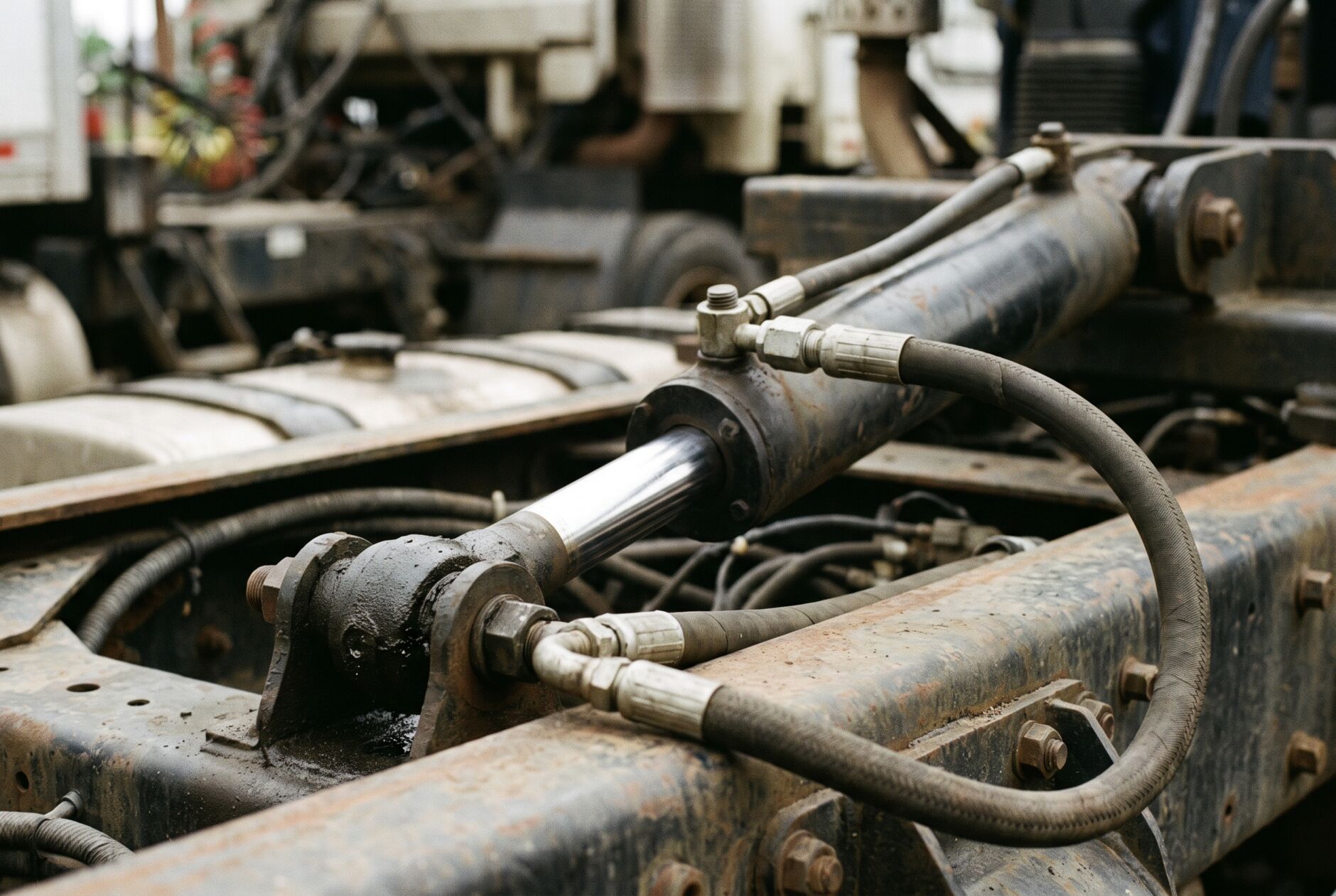
- Provider-originated vehicle records such as position, engine evidence, fault codes, and HOS. Available fields and freshness depend on the accepted connection.
- ELD
- Electronic Logging Device. Hardware that records a commercial driver hours of service to comply with the FMCSA ELD mandate.
- Hours of service (HOS)
- Federal limits on how long commercial drivers may operate before rest, recorded via ELD and reported for DOT compliance.
- Predictive fill
- Forecasting how full a container will be in the next 48 to 72 hours from sensor and pickup history, so it is serviced just in time, not too early or too late.
- Smart bin
- A container fitted with a fill-level sensor that reports remaining capacity, enabling fill-based rather than fixed-schedule collection.
- Container utilization
- How productively containers are used over time. Higher utilization means fewer idle assets and more revenue per container.
- Proof of service
- Evidence a stop was completed, typically a geo-stamped photo and signature captured in the driver app, used to resolve disputes and trigger billing.
- Dispatch
- Assigning and coordinating trucks, drivers, and jobs across the day, including on-demand work and exceptions, from a central board.
- Manifest
- A document recording the type, quantity, and handling of waste for regulatory and chain-of-custody purposes, especially for regulated or special waste.
- Hauler operating system
- A single platform that unifies routing, fleet, containers, scheduling, billing, and disposal for a waste business, replacing a stack of disconnected point tools.
- On-demand vs recurring
- On-demand work is one-off (a junk pickup, a roll-off swap); recurring work is scheduled (weekly commercial routes). Modern platforms handle both on one calendar.
Get started
See these concepts in action.
Book a demo tailored to your fleet and the business you run.